
Stepping into the content creation space without a clearly defined niche is like trying to build a high-performance application without a database schema—it lacks structure, efficiency, and scalability. Many creators burn out because they treat content like a personal diary, talking about everything and connecting with no one.
To build a sustainable digital brand, you must treat your content as a business from day one. Here is the ultimate blueprint on what a niche is, the core categories dominating the market, how they pay, and the six crucial things you need to know before you start creating.
What is a Niche?
In content creation, a niche is a specialized, tightly defined segment of a broader market that targets a specific audience with unique pain points, interests, or needs.
Think of it as a hierarchy:
The Broad Market: Technology
The Sub-Market: Web Development
The Niche: Technical SEO and structured data implementation for independent digital platforms.
A great niche sits at the intersection of three components: your specific expertise, high audience demand, and commercial intent. It is the specific "corner" of the internet where you are the go-to authority.
The Major Content Creation Niches
While thousands of micro-niches exist, almost all successful online content falls into one of these five dominant macro-categories:
1. Business, Finance, and Technology (B2B / SaaS)
This is the corporate powerhouse of content. It covers personal finance (investing, cryptocurrency, budgeting), business strategies (digital marketing, conversion rate optimization, agency growth), and deep tech (software engineering, AI tool reviews, network architecture).
Audience Motive: To make money, optimize workflows, or advance a career.
2. Health, Fitness, and Longevity
An evergreen market focused on physical and mental well-being. This includes micro-niches like home fitness routines, meal prepping for busy professionals, tech-driven health wearables, and mental health management.
Audience Motive: To live longer, feel better, and look healthier.
3. Lifestyle and Personal Development
This category centers on self-improvement, productivity, time management, parenting, and career transitions. It bridges the gap between raw human psychology and actionable daily habits.
Audience Motive: To optimize daily life, find purpose, or break bad habits.
4. Travel and Culture
A highly visual and experiential macro-niche that covers digital nomad lifestyles, budget extreme travel, regional food tours, and specialized photography guides.
Audience Motive: Escapism, adventure planning, and cultural education.
5. Arts, Hobbies, and Entertainment
From gaming walkthroughs and music production tutorials to pop-culture commentary and specialized DIY crafting, this niche thrives on shared passion and community engagement.
Audience Motive: Pure entertainment, relaxation, or mastering a personal hobby.
The Economics of Content: How Different Niches Pay
Not all niches are created equal when it comes to monetization. The money you earn per thousand views (known as CPM/RPM) or per brand deal is dictated entirely by who your audience is and how much advertisers are willing to spend to reach them.
High-Paying Niches (B2B, Finance, Tech, SaaS)
Advertisers in this space, such as banks, software platforms, and hosting companies, have high-ticket products and immense customer lifetime value. They are comfortable paying premium rates because one customer can be worth thousands of dollars.
Monetization Levers: High-paying affiliate programs (20-30% recurring SaaS commissions), high display ad rates ($15 to $40+ CPM), and high-ticket consulting.
Medium-Paying Niches (Health, Fitness, Real Estate, Higher Education)
These markets target everyday consumers but involve significant financial investments like supplements, gym memberships, courses, or properties.
Monetization Levers: Brand sponsorships, digital products (workout templates, ebooks), and private coaching communities.
Mass-Volume Niches (Gaming, Pop Culture, Entertainment, Comedy)
Advertisers here are targeting a general, broad audience that often lacks immediate purchasing intent for premium business products. Ad rates are usually low ($2 to $6 CPM). To make a living here, you need millions of views to compete financially with a tech channel getting only a few thousand views.
Monetization Levers: High volume display ads, merchandise sales, and community memberships.
6 Things You Must Know Before Creating Content
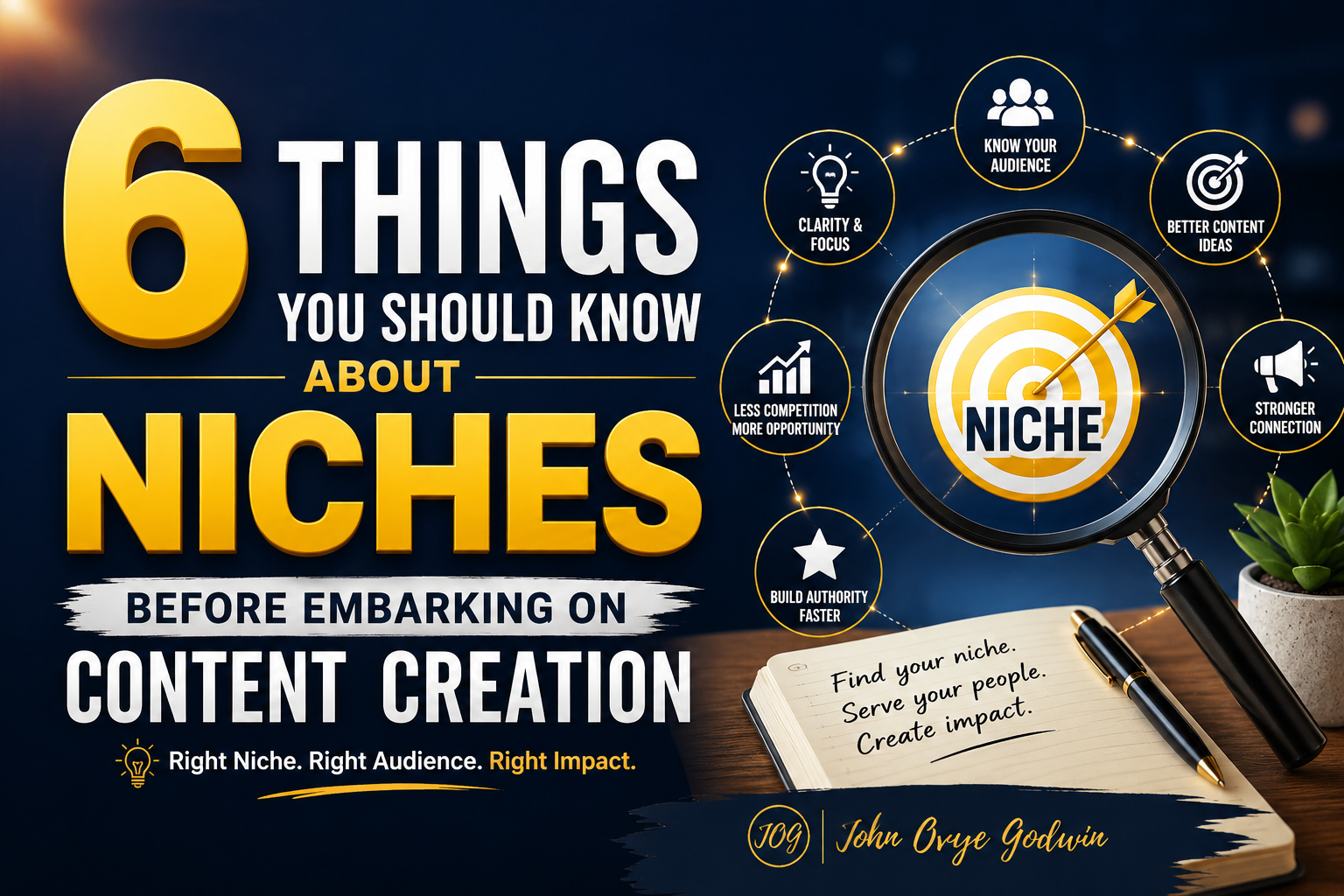
1. A Niche Must Be Defined by a Problem, Not a Topic
If you base your niche purely on a topic like "programming," you are setting yourself up to get lost in a sea of identical voices. Define your niche by the exact problem you solve. Instead of writing about "Web Development," write about "How to Optimize Legacy Codebases for Speed and Search Performance." When you solve a precise problem, you instantly attract a premium audience.
2. Validate Commercial Intent with Hard Data
Before writing a single word or filming a single video, check the numbers. Look at the Cost Per Click (CPC) for terms in your niche using keyword research tools. If advertisers are bidding $10 or more per click for terms in your niche, it means that traffic is incredibly valuable. If the CPC is pennies, monetization will be an uphill battle regardless of your view count.
3. Match Your Niche to the Right Platform Landscape
Different audiences consume content in different ways. Technical documentation, architectural walkthroughs, and deep SEO case studies find their natural homes on specialized blogs, Medium, or LinkedIn. Highly visual, fast-paced design tips, cinematic aesthetics, or lifestyle updates belong on TikTok, Instagram, and YouTube. Pick the platform where your specific target demographic already goes to seek answers.
4. Profitability Lives in "The Gap"
The absolute best positioning for a new creator is the intersection of two large, distinct industries. For example, if you combine "Agriculture Technology" with "Automated Security Systems," your niche becomes "Smart Intrusion Detection Systems for Commercial Farming." By operating in the gap, you face zero competition from generalist creators while offering immense, irreplaceable value to a highly specific audience.
5. Commit to the Three-Year Horizon
Content strategy relies entirely on compounding returns. The search authority, audience trust, and algorithmic momentum you build take months to solidify. Ask yourself honestly: Can I produce 100 deep-dive pieces on this exact topic without running out of ideas or losing my mind? If you do not possess a genuine curiosity to learn in public about your niche for at least three years, you should choose a different one.
6. The Ultimate Goal is Audience Ownership
Algorithms change, platforms update, and visibility fluctuates. True security in content creation comes from moving your niche audience off third-party platforms and onto platforms you own. From day one, your content should serve as a bridge to a dedicated email newsletter or a premium community. Ten thousand highly targeted, deeply engaged email subscribers in a technical niche will generate more revenue and career opportunities than a million casual followers on a mainstream social feed.